

Key Takeaways
- Waiheke Island boasts over 20 pristine beaches with white sand and crystal-clear waters, just 35 minutes by ferry from Auckland
- Onetangi Beach stretches 2km as the island’s longest beach, perfect for surfing and beach walks
- Family-friendly options like Little Oneroa Beach offer safe swimming, playgrounds, and BBQ facilities
- Hidden gems like Cactus Bay and Man O’War Bay provide secluded swimming spots accessible by boat or hiking
- Most beaches feature excellent facilities including free BBQs, public toilets, and nearby cafes or restaurants
Located in south east auckland’s stunning Hauraki Gulf, Waiheke Island offers an extraordinary collection of beaches that rival any tropical destination. Just 35 minutes by ferry from downtown Auckland, this island paradise features over 40 named bays and beaches, each with its own unique character and charm. From the popular beach destinations near Oneroa village to hidden coves accessible only by boat, waiheke island beaches cater to every type of beach lover.
Whether you’re seeking family-friendly swimming spots with children’s playground facilities, adventure-filled water sports locations, or secluded romantic getaways, the beaches on waiheke island deliver experiences that will create lasting memories. The island’s 133-kilometer coastline offers everything from the longest beach perfect for morning runs to intimate rocky bay areas ideal for an afternoon relaxing.
Best Swimming Beaches on Waiheke Island
The waiheke beaches offer some of New Zealand’s safest and most beautiful swimming conditions, with most locations maintaining excellent water quality throughout the year. The island’s sheltered position in the Hauraki Gulf creates calm waters perfect for swimmers of all abilities, while the surrounding majestic pohutukawa trees provide natural shade during hot summer days.
Oneroa Beach
As the most accessible of all stunning beaches on the island, oneroa beach stretches 960 meters along the main township coastline. Located just a short walk from the matiatia ferry terminal, this lovely beach features fine white sand mixed with shells and offers gentle swimming conditions that make it perfect for families. The beach’s central location means visitors have easy access to the oneroa village amenities, including the oneroa beach store for supplies and refreshments.
The calm waters and gradual slope make oneroa beach ideal for safe swimming, while the nearby facilities include public toilets, picnic tables, and rental equipment for paddle boarding and kayaking. During high tide, the swimming conditions are particularly excellent, though the beach remains enjoyable at all tidal levels.
Little Oneroa Beach
Just 150 meters long and separated from the main beach by a small headland, little oneroa beach offers a more intimate swimming experience. This secluded beach features the same fine white sand as its larger neighbor but provides a quieter atmosphere perfect for those seeking a peaceful swim. The little oneroa beach store provides convenient access to snacks and drinks without the crowds of the main township.
The protected waters of little oneroa make it exceptional for families with young children, while the surrounding pohutukawa trees create natural shade for afternoon relaxing. A children’s playground nearby adds to the family appeal, making this one of the most beloved family-friendly beaches on the island.
Palm Beach
Located on the island’s northern side, palm beach offers warm, sheltered waters perfect for swimming throughout most of the year. The beach gets its name from the distinctive Phoenix palm trees that line the shore, creating a tropical atmosphere that feels worlds away from Auckland. The slightly pink-tinged sand and turquoise waters make this one of the most photogenic swimming locations on waiheke island.
Palm beach provides excellent swimming conditions with its north-facing orientation protecting swimmers from southerly winds. The calm waters are ideal for an evening swim, while the palm beach store ensures visitors have access to refreshments and basic supplies. At the eastern end of the beach, a small secluded area traditionally welcomes clothing-optional sunbathing, reflecting the island’s relaxed atmosphere.
Enclosure Bay
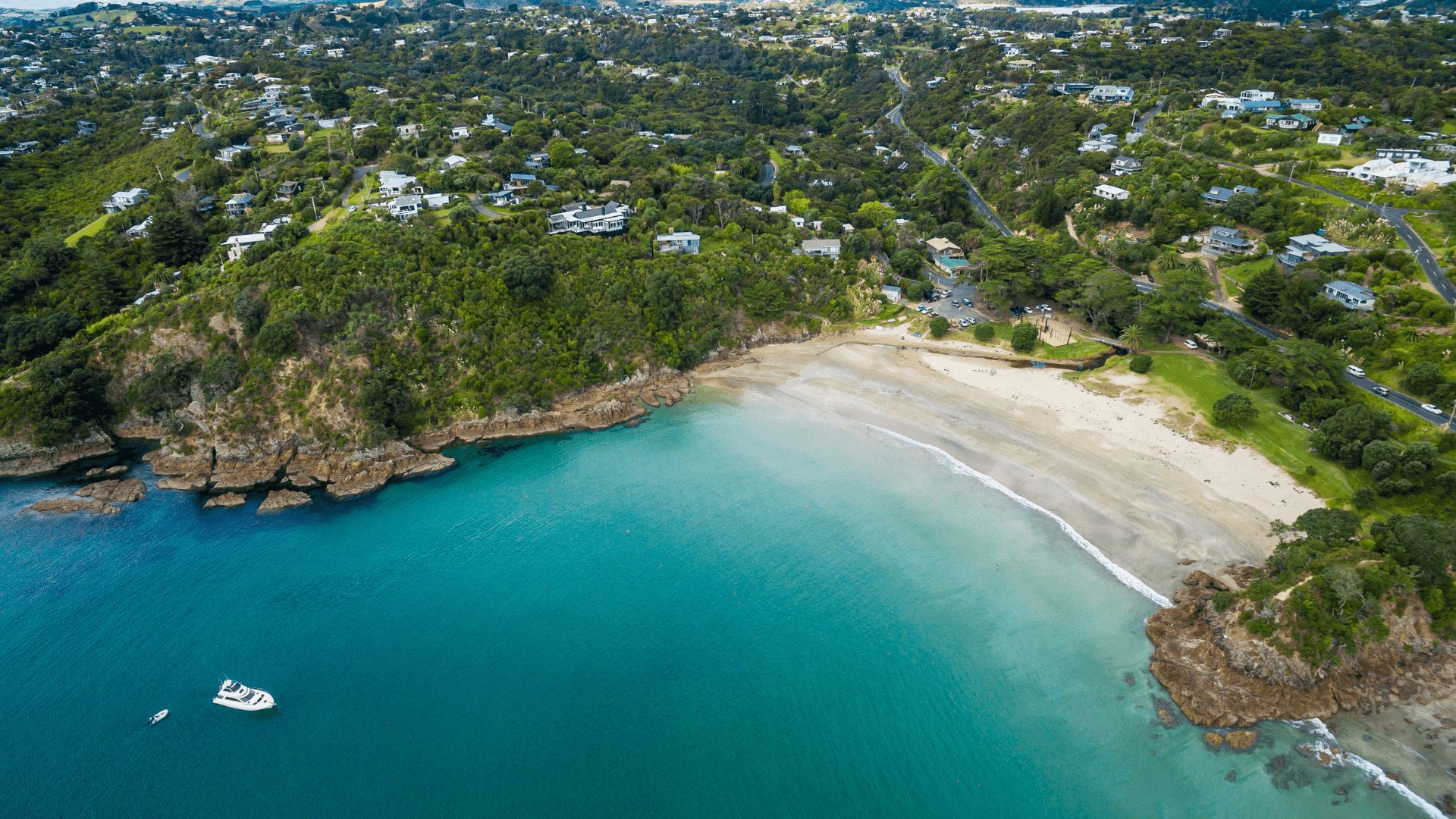
This unique bay accessible primarily by boat offers some of the most pristine swimming conditions around waiheke island. The rock-protected waters create a natural pool effect that’s perfect for snorkeling and safe swimming, even when other beaches might have rougher conditions. The bay’s clear waters and rocky formations make it ideal for underwater exploration and discovering local marine life.
While enclosure bay requires more effort to reach, the reward is crystal-clear water and an almost private beach experience. The bay’s protection from winds and waves creates consistently calm conditions that swimmers appreciate throughout the season.
Adventure and Water Sports Beaches
For those seeking more active beach experiences, waiheke island provides exceptional opportunities for surfing, kayaking, windsurfing, and other water sports. The island’s varied coastline offers different conditions suitable for beginners through to experienced water sports enthusiasts.
Onetangi Beach – The Surfing Capital
As the longest beach on waiheke island at 1.9 kilometers, onetangi beach serves as the premier destination for surfing and other water sports. The beach’s northwest orientation and open exposure to the Hauraki Gulf create consistent small surf conditions perfect for beginner and intermediate surfers. The broad expanse of white sand provides plenty of space for beach activities, while the steady winds make it popular for kiteboarding.
Onetangi beach hosts the famous Onetangi Beach Races, an annual event that has been running for over 100 years, featuring horse races on the sand. The beach’s amenities include free bbq facilities, public toilets, and nearby cafes that cater to the water sports community. Equipment rental services are available near the beach, making it easy for visitors to try surfing or paddle boarding.
The beach’s tidal conditions create different experiences throughout the day. At low tide, the expansive sand flats are perfect for beach walks and games, while high tide brings the best surf conditions. The eastern end of the beach typically offers the most consistent waves, while the western end provides calmer conditions for beginners.
Blackpool Beach
This lesser-known gem on the island’s southern side offers excellent conditions for kayaking and windsurfing. The beach’s muddy substrate and tidal nature create unique paddling experiences, while the protected waters make it ideal for those learning water sports. The surrounding mangroves and native vegetation provide a distinctly New Zealand coastal experience.
Blackpool beach serves as an excellent launching point for kayak tours around the southern coastline, where paddlers can explore hidden coves and observe marine wildlife in their natural habitat. The calm waters and interesting rock formations make this location particularly suitable for photography and nature appreciation.
Surfdale Beach
Located near the island’s main residential areas, surfdale beach offers convenient access to water sports with good facilities nearby. The beach provides reliable conditions for paddle boarding and kayaking, while its proximity to accommodation options makes it popular with visitors staying on the island.
The beach features a children’s playground and picnic benches, making it an excellent choice for families who want to combine water sports with traditional beach activities. Free bbq facilities allow groups to enjoy extended beach days with proper meal preparation.
Sandy Bay
As one of the few locations on waiheke island with proper boat launching facilities, sandy bay serves as a hub for fishing and boating activities. The bay’s deeper waters and boat ramp make it the preferred departure point for fishing charters and private boat excursions to more remote beaches around the island.
Sandy bay has gained attention for occasional orca sightings, making it a popular spot for marine wildlife enthusiasts. The bay’s position on the eastern side of the island provides access to the broader Hauraki Gulf waters, where larger fish species are commonly caught.
Secluded and Remote Beach Destinations
For those seeking privacy and untouched natural beauty, waiheke island offers numerous secluded beach destinations that require extra effort to reach but reward visitors with pristine conditions and peaceful solitude.
Man O’War Bay
Accessible primarily by boat or kayak, man o war bay represents one of the most beautiful secluded spots on waiheke island. The bay’s crystal-clear waters and white sand create a tropical paradise feeling, while its remote location ensures a peaceful experience away from crowds. The proximity to local vineyards adds to the romantic appeal, making this bay accessible location popular for special occasions.
The bay’s sheltered position provides calm swimming conditions even when other beaches experience rougher weather. Visitors often combine trips to man o war bay with wine tasting at nearby vineyards, creating a perfect day combining relaxation and local culture. War bay offers excellent snorkeling opportunities with clear visibility and interesting underwater formations.
Owhanake Bay
This hidden gem requires a moderate hike or boat access but provides one of the most pristine beach experiences on the island. Owhanake bay beach features fine white sand surrounded by native bush, creating a secluded spot that feels completely removed from urban life. The bay’s calm waters and natural setting make it perfect for swimming, meditation, or simply enjoying nature’s tranquility.
The hike to owhanake bay takes visitors through native forest where they might spot the new zealand dotterel or banded rail, adding a wildlife element to the beach visit. The bay’s remote nature means visitors should come prepared with water and snacks, as no facilities are available on-site.
Picnic Bay
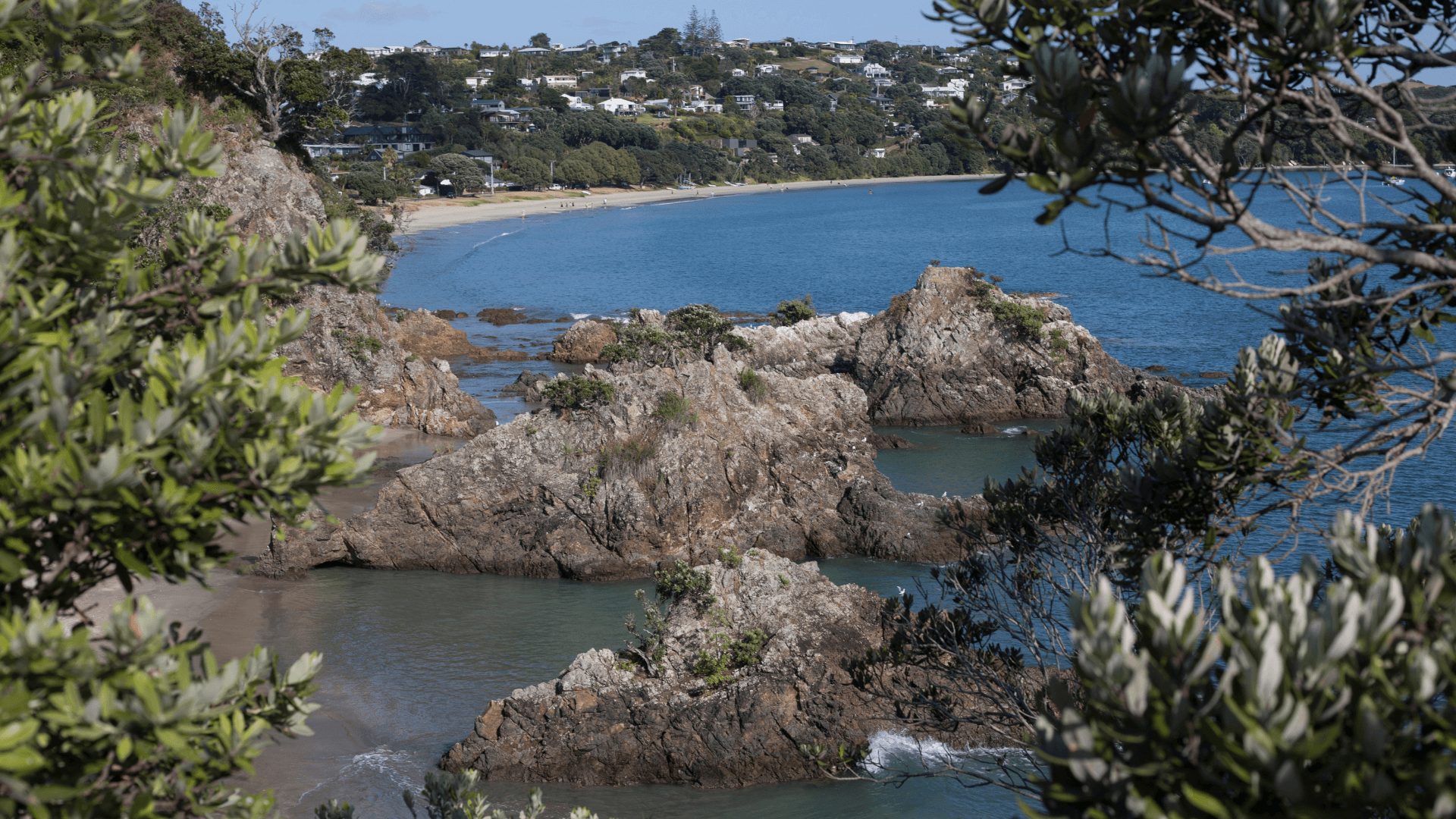
True to its name, picnic bay offers an idyllic setting for outdoor dining with stunning sunset views over the Hauraki Gulf. This secluded beach provides calm swimming conditions and beautiful scenery, making it perfect for romantic evening swim sessions or family gatherings. The bay’s western orientation makes it particularly spectacular for sunset viewing.
Access to picnic bay requires either boat transport or a longer walk from the nearest road, ensuring that visitors who make the effort are rewarded with relative privacy. The bay’s natural rock pools provide entertainment for children and opportunities for marine life observation.
Rocky Bay (Whakanewha Regional Park)
Located within the whakanewha regional park, rocky bay offers a unique combination of pristine beach environment and conservation education opportunities. The bay’s 1.5-kilometer shoreline combines sandy and shelly areas with native bush backing, creating habitat for various bird species including the new zealand dotterel and spotless crake.
Rocky bay beach provides excellent opportunities for nature photography and bird watching, while the calm waters offer safe swimming conditions. The regional park setting means the beach has minimal development, preserving its natural character while providing basic picnic tables and walking trails through the native forest.
Family-Friendly Beach Options
Waiheke island excels at providing safe, enjoyable beach experiences for families with children of all ages. These beaches combine excellent swimming conditions with proper facilities and activities designed for family enjoyment.
Whakanewha Regional Park Beach
This expansive beach within the regional park offers some of the warmest and shallowest waters on waiheke island, making it perfect for young children. The large tidal beach reveals extensive sand flats at low tide, providing safe exploration areas where children can search for shells and examine rock pools. Camping facilities within the park allow families to extend their beach experience over multiple days.
The park’s combination of beach access and bush walks provides educational opportunities for children to learn about native New Zealand flora and fauna. Picnic tables and free bbq facilities make it easy for families to enjoy full-day beach outings with proper meal preparation.
Shelly Beach
With its calm conditions and interesting rock formations, shelly beach provides excellent family swimming while offering natural entertainment through rock pool exploration. The beach’s protected position creates consistently safe swimming conditions, while the nearby diving platform adds excitement for older children and teenagers.
The beach’s name reflects the abundance of shells that wash up on the shore, providing natural collecting opportunities for children. The calm waters make this location ideal for teaching children to swim or introducing them to snorkeling in a safe environment.
Little Oneroa Beach
The children’s playground adjacent to little oneroa beach makes this location particularly appealing for families with younger children. The combination of safe swimming, playground equipment, and nearby little oneroa beach store creates a convenient family destination that can occupy children for entire days.
The beach’s small size makes it easy for parents to supervise children while they play in the sand or swim in the calm waters. The surrounding pohutukawa trees provide natural shade for family picnics and afternoon relaxing sessions.
Oneroa Beach
As the most accessible family beach, oneroa beach offers the full range of family amenities including public toilets, picnic areas, and equipment rentals. The beach’s gentle gradient and calm waters provide safe swimming for children, while the proximity to oneroa village ensures easy access to supplies, food, and emergency services if needed.
The beach’s central location makes it the ideal starting point for families new to waiheke island, providing a safe and well-facilitated introduction to the island’s beach culture. Regular ferry services from the nearby matiatia ferry terminal make day trips convenient for Auckland families.
Beach Facilities and Amenities
Understanding the facilities available at different waiheke beaches helps visitors plan their trips effectively and ensures comfortable beach experiences for all types of visitors.
BBQ and Picnic Facilities
Most popular beaches feature free bbq facilities that make extended beach days more enjoyable. Oneroa beach, onetangi beach, palm beach, and rocky bay all provide well-maintained BBQ areas with accompanying picnic tables. These facilities operate on a first-come, first-served basis and are particularly popular during summer weekends and holidays.
The free bbq facilities represent excellent value for families and groups wanting to enjoy full-day beach experiences without the expense of restaurant dining. Most BBQ areas include basic shelter and are positioned to take advantage of sea views while providing some protection from coastal winds.
Toilet and Shower Facilities
Public toilet facilities are available at all major waiheke beaches, with the most comprehensive facilities located at oneroa beach and onetangi beach. These facilities are regularly maintained and cleaned, ensuring comfortable experiences for all visitors. Some locations also provide outdoor shower facilities for rinsing off sand and salt water.
The presence of reliable public toilet facilities makes waiheke beaches particularly suitable for families with young children and for extended beach visits. The facilities’ strategic placement ensures convenient access without compromising the natural beach environment.
Parking and Transportation
Free parking is available at most beach locations, though spaces can be limited during peak summer periods and weekends. Oneroa beach and onetangi beach sometimes experience parking congestion during busy times, making public transportation an attractive alternative for many visitors.
The island’s bus network connects major beaches, with routes operating regularly during peak season. This public transportation system allows visitors to explore multiple beaches without worrying about parking availability or designated driver responsibilities.
Equipment Rental and Shops
Equipment rental services for kayaks, paddle boards, and snorkeling gear are available near oneroa beach and onetangi beach. These services make water sports accessible to visitors who don’t want to transport their own equipment on the ferry from Auckland.
The oneroa beach store and palm beach store provide convenient access to beach supplies, snacks, and drinks without requiring trips back to the main township. These local stores stock sunscreen, beach toys, and basic food items that enhance beach experiences.
Accommodation Options
Various accommodation options exist near major beaches, from luxury resorts to budget-friendly holiday parks. The proximity of accommodation to beaches allows visitors to enjoy early morning swims, sunset viewing, and extended beach access throughout their stay.
Many accommodation providers offer package deals that include ferry transport and beach equipment rental, making it easy for visitors to plan comprehensive waiheke island beach experiences.
Getting to Waiheke Island Beaches
Efficient transportation to and around waiheke island ensures that visitors can maximize their time enjoying the beautiful beaches rather than struggling with logistics.
Ferry Services from Auckland
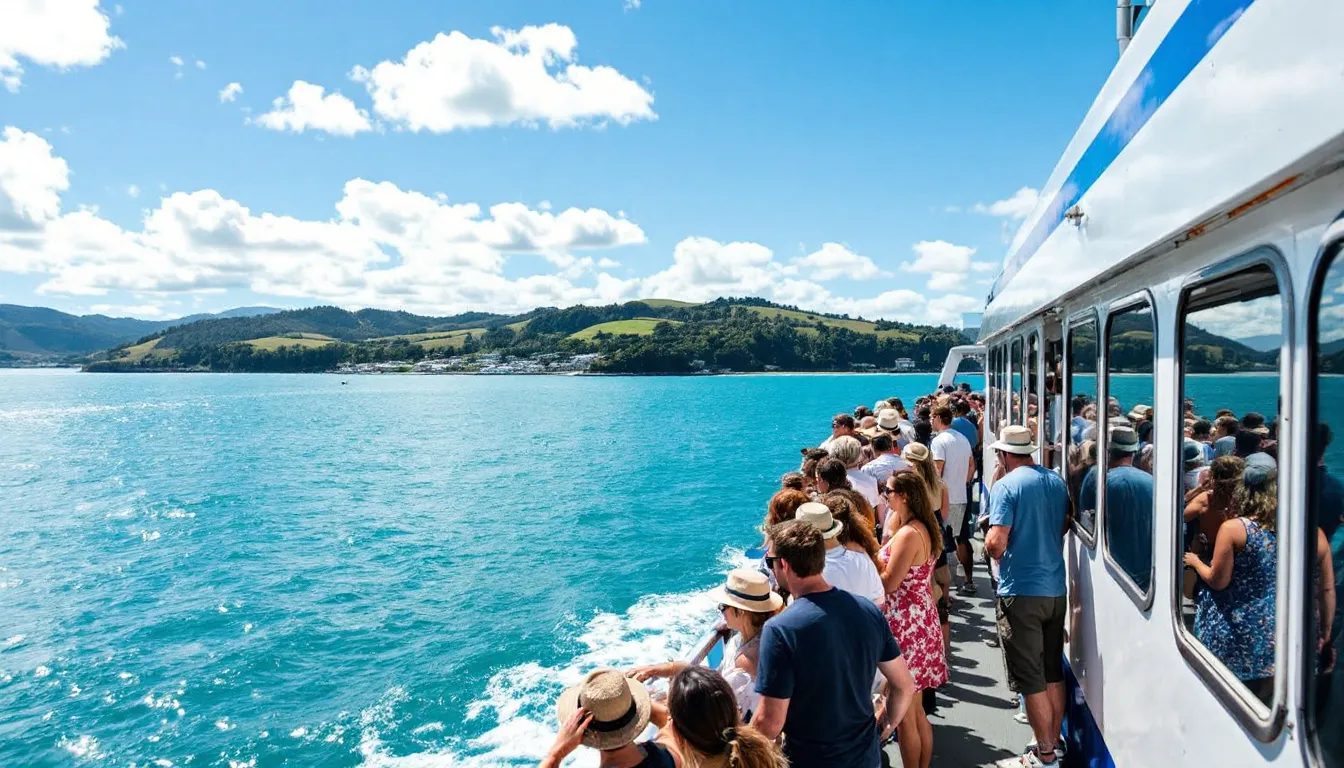
Fullers 360 operates regular ferry services from downtown Auckland to the matiatia ferry terminal on waiheke island, with the journey taking approximately 35 minutes. During peak season, ferries run every 30 minutes, providing flexible scheduling for day trips or extended stays. The ferry service accommodates both foot passengers and vehicles, though many visitors find that bringing a car is unnecessary given the island’s compact size and public transportation options.
Ferry pricing includes various options from single journeys to multi-day passes, with discounts available for families and groups. The ferry journey itself provides scenic views of the Hauraki Gulf and serves as an enjoyable introduction to the island experience.
Public Bus Services
The island’s bus network operates several routes that connect major beaches with the ferry terminal and main townships. Route 1 services oneroa beach and oneroa village, while Route 2 connects to onetangi beach and the eastern areas of the island. During summer, additional shuttle services operate to popular beaches, reducing wait times and improving connectivity.
Bus services operate on regular schedules that coordinate with ferry arrivals, making it easy for day-trip visitors to plan their beach visits efficiently. The hop-on hop-off service style allows visitors to explore multiple beaches in a single day.
Car Rental and Private Transport
Car rental services on waiheke island provide flexibility for visitors wanting to explore more remote beaches or travel at their own pace. Several rental companies operate near the ferry terminal, offering everything from compact cars to larger vehicles suitable for groups or families with extensive beach equipment.
Many visitors find that rental cars provide the best access to secluded beaches like owhanake bay or rocky bay, where public transportation options are limited. The island’s roads are generally well-maintained, though some beach access points require short walks from parking areas.
Walking Distances and Accessibility
Many of waiheke island’s most popular beaches are accessible by foot from the main township areas. Oneroa beach is just a short walk from the ferry terminal, while little oneroa beach requires only a slightly longer stroll along the coastal path. These walking distances make beach hopping entirely feasible for visitors staying in central accommodation.
The island’s network of coastal walking tracks connects many beaches, allowing visitors to combine beach visits with scenic hiking experiences. These tracks provide access to secluded spots while offering spectacular views of the Hauraki Gulf and surrounding islands.
Best Time to Visit and Seasonal Information
Understanding waiheke island’s seasonal patterns helps visitors plan their beach experiences for optimal weather conditions and crowd levels.
Summer Season Peak Conditions
The summer months from December through February provide the warmest water temperatures and most reliable sunshine for beach activities. During this peak season, water temperatures reach their highest levels, making swimming comfortable even for extended periods. However, summer also brings the largest crowds, particularly during weekends and school holidays.
Summer’s longer daylight hours allow for extended beach days, with sunset occurring well into the evening hours. This extended daylight makes evening swim sessions particularly enjoyable, while the warm nights encourage beach camping and stargazing activities.
Shoulder Season Advantages
The shoulder seasons of March through May and September through November offer excellent beach weather with fewer crowds and more affordable accommodation options. Water temperatures remain comfortable for swimming well into autumn, while spring brings renewed energy to the island’s natural environment.
Shoulder season visits provide better access to popular beaches without the competition for parking and facilities that characterizes peak summer periods. Many visitors prefer these quieter times for photography, romantic getaways, and peaceful nature appreciation.
Winter Beach Activities
While swimming becomes less appealing during winter months, waiheke beaches offer different attractions during the cooler season. Beach walks, wildlife observation, and storm watching provide alternative ways to enjoy the coastal environment. The winter months also offer the clearest views across the Hauraki Gulf, making this season ideal for photography and sightseeing.
Many beaches become gathering spots for birdwatching enthusiasts during winter, as migratory species visit the island’s coastline. The reduced vegetation also improves access to some of the more secluded beaches that can be overgrown during summer months.
Weather Patterns and Microclimates
Waiheke island benefits from a unique microclimate that often provides better weather conditions than mainland Auckland. The island’s position in the Hauraki Gulf creates shelter from prevailing winds while maintaining cooling sea breezes during hot weather.
Understanding local weather patterns helps visitors choose the most suitable beaches for prevailing conditions. North-facing beaches like palm beach provide protection from southerly winds, while the more exposed beaches like onetangi offer better surf conditions during periods of northerly winds.
Special Events and Festivals
The annual Onetangi Beach Races represent over 100 years of tradition, featuring horse and tractor races on the beach sand. This unique event combines beach recreation with local culture, providing entertainment that reflects the island’s character and history.
Various wine and food festivals throughout the year incorporate beach venues, creating opportunities to combine culinary experiences with beach recreation. These events often feature outdoor dining with spectacular coastal views, showcasing the island’s reputation for both beaches and gastronomy.
Wildlife and Nature at Waiheke Beaches
The beaches on waiheke island provide important habitat for various native species while offering visitors opportunities to observe New Zealand’s unique coastal wildlife.
Bird Watching Opportunities
The diverse coastal environments support numerous bird species that enhance the beach experience for nature enthusiasts. The new zealand dotterel, a threatened shorebird species, nests on several waiheke beaches during breeding season. Visitors should observe these birds from a distance and be aware of temporary access restrictions during sensitive nesting periods.
The banded rail, a secretive wetland bird, inhabits the marshy areas behind some beaches, particularly around whakanewha regional park. Early morning and evening visits provide the best opportunities for spotting these elusive birds as they forage in tidal areas and adjacent vegetation.
Marine Life and Ocean Wildlife
The clear waters around waiheke island support diverse marine life that adds interest to swimming and snorkeling activities. Sandy bay has gained attention for occasional orca sightings, providing thrilling wildlife encounters for lucky visitors. These magnificent marine mammals typically appear during their seasonal migrations through the Hauraki Gulf.
Rock pools at various beaches house fascinating small marine creatures including sea anemones, hermit crabs, and various shellfish species. These natural aquariums provide educational opportunities for children while demonstrating the rich biodiversity of New Zealand’s coastal environments.
Native Vegetation and Forest Environments
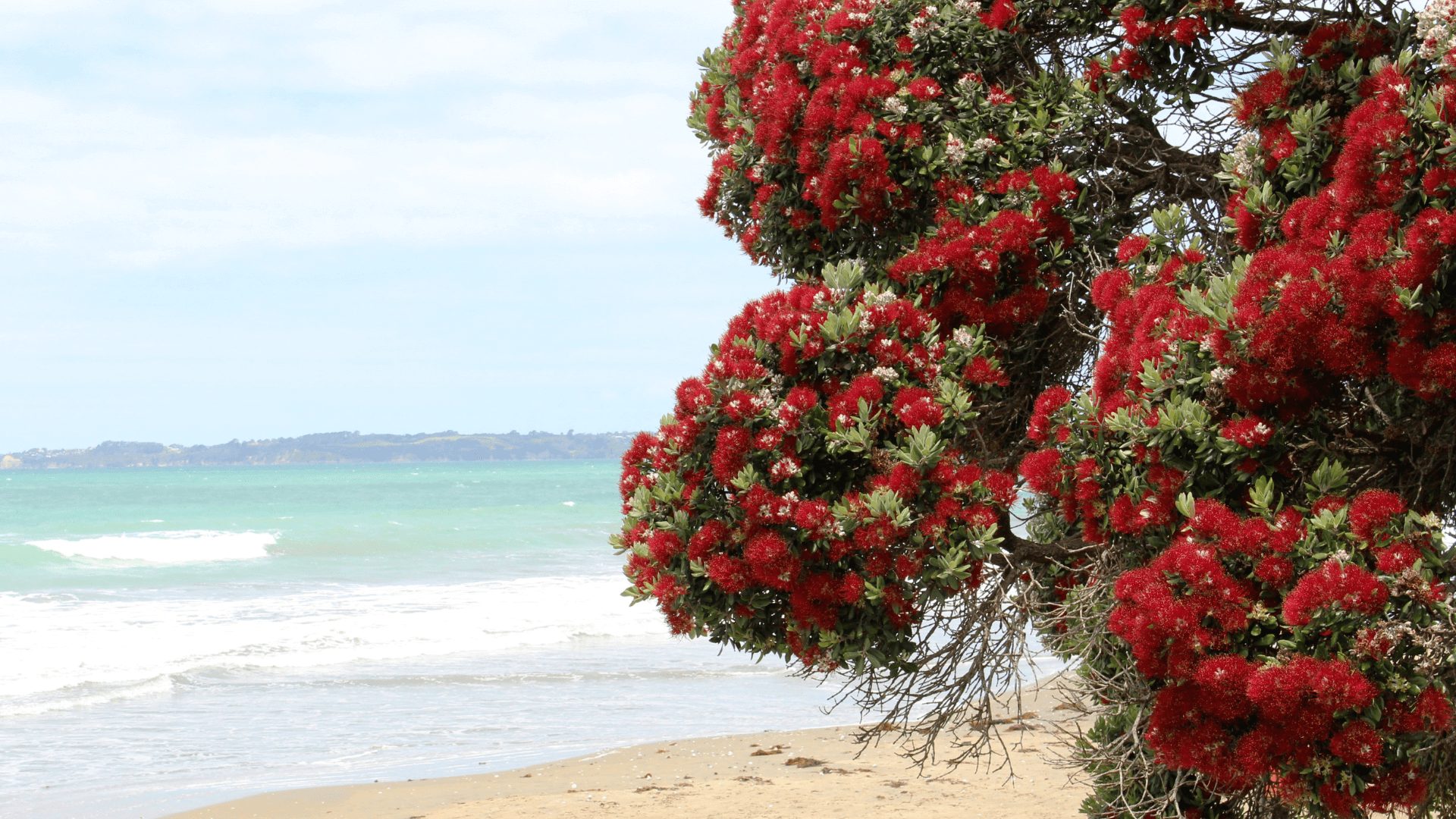
The majestic pohutukawa trees that frame many waiheke beaches represent one of New Zealand’s most iconic native species. These “New Zealand Christmas trees” bloom with brilliant red flowers during summer, creating spectacular natural decorations for beach visits. The trees also provide essential shade and habitat for various bird species.
Behind many beaches, remnants of native coastal forest provide walking opportunities and wildlife habitat. These areas support various native plant species adapted to coastal conditions, including manuka shrubs and cabbage trees that create distinctly New Zealand landscapes.
Conservation Efforts and Protected Areas
Whakanewha regional park encompasses significant coastal areas that receive active conservation management to protect native species and ecosystems. Visitor education programs help beach users understand their role in protecting these valuable environments while still enjoying recreational activities.
Various beach restoration projects have focused on removing invasive plant species and replanting native vegetation to stabilize dunes and provide wildlife habitat. These efforts demonstrate the ongoing commitment to balancing recreation with environmental protection.
Rock Pool Exploration
Many waiheke beaches feature excellent rock pool systems that reveal fascinating marine life during low tide periods. These natural tide pools provide safe environments for children to observe sea creatures while learning about marine ecosystems. Popular rock pool locations include areas around shelly beach and the rocky sections of whakanewha bay.
Responsible rock pool exploration involves careful observation without disturbing the delicate ecosystems. Visitors should avoid removing creatures from their natural habitats and should replace any rocks exactly as they were found to maintain habitat integrity.
Frequently Asked Questions
Can you swim year-round at Waiheke Island beaches?
Yes, you can swim year-round at waiheke beaches, though water temperatures and comfort levels vary significantly by season. Summer months (December-February) provide the warmest water temperatures around 20-22°C, ideal for extended swimming sessions. Autumn and spring still offer comfortable swimming with temperatures around 16-19°C, while winter swimming becomes more challenging with temperatures dropping to 12-15°C. Many beaches like oneroa beach and palm beach maintain good swimming conditions even during cooler months due to their sheltered positions.
Are there any nude beaches on Waiheke Island?
While waiheke island doesn’t have officially designated nude beaches, there is a traditionally clothing-optional area at the eastern end of palm beach. This secluded spot has been informally used for naturist activities for many years, reflecting the island’s generally relaxed and liberal atmosphere. Visitors should be respectful of local customs and other beach users when considering clothing-optional activities.
Which beaches are best for young children and toddlers?
Little oneroa beach stands out as the best option for families with young children, featuring calm protected waters, a children’s playground, and the convenient little oneroa beach store nearby. Whakanewha regional park beach offers another excellent family choice with its shallow warm waters and extensive sand flats at low tide that create safe exploration areas. Oneroa beach provides the most comprehensive family facilities including public toilets, picnic areas, and easy access from the ferry terminal, making it ideal for day trips with small children.
Do I need a car to visit multiple beaches on Waiheke Island?
A car is not essential for visiting multiple waiheke beaches, though it does provide more flexibility and access to remote locations. The island’s public bus system connects most major beaches with regular services, while many beaches are accessible by walking from the main township areas. However, rental cars become valuable for accessing secluded spots like owhanake bay or rocky bay where public transport options are limited. Many visitors successfully explore the island using a combination of buses, walking, and occasional taxi services.
Are dogs allowed on Waiheke Island beaches?
Dog policies vary by beach location on waiheke island, with some beaches allowing dogs under specific conditions while others maintain restrictions to protect wildlife and maintain family-friendly environments. Most beaches require dogs to be on leashes and under effective control at all times. Owners should check current regulations with Auckland Council before visiting, as rules can change seasonally to protect nesting birds like the new zealand dotterel. Popular dog walking areas include certain sections of onetangi beach and parts of the regional park system where appropriate trails are designated for dog exercise.


Recent Comments